Design With Intention; Karolina Wudniak


 RSS Feed
 Bio
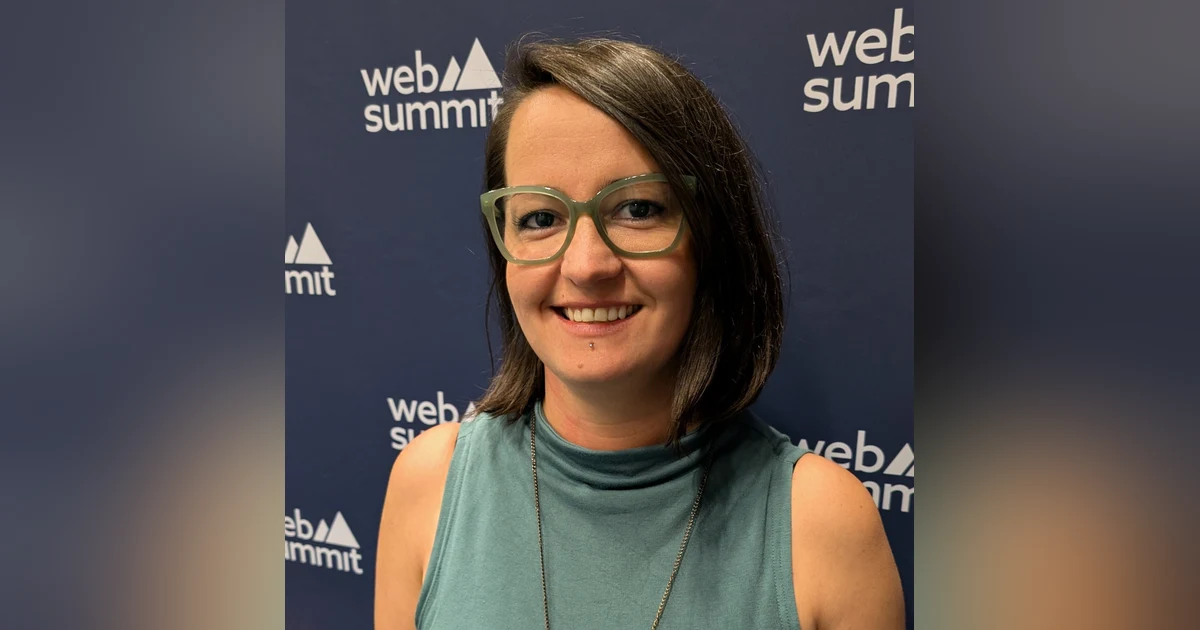
Karolina Wudniak is a book designer and the founder of Paper Wing Studio. Originally from Poland, she now calls the Vancouver area home. With a background in journalism and writing, Karolina discovered her passion for graphic design after moving to Canada. She specializes in book covers and layouts, combining words and visuals to create clear, thoughtful designs. Nature, mindfulness, and creativity influence her work. She enjoys running in forests, hiking, biking, and camping with her family on weekends.
In This Episode, You’ll Discover-
Why white space can make books easier to experience
-
How mindfulness and thoughtful design are connected
-
Where AI can support the creative process
-
Why AI can sometimes interfere with authentic creativity
-
How nature can help overcome creative blocks
-
Why authentic human input matters in creative work
-
How making space can support creativity and focus
What happens when mindfulness meets creativity and design? In this episode of Mindfulness Mode, Karolina Wudniak explores how creating space, both visually and mentally can help us think clearly, strengthen creativity, and become more intentional about where we place our attention.
The Power of White SpaceWhite space is an important part of book design. When a page contains too much information, the reader can quickly become overwhelmed.
Giving words and images room to breathe allows the brain to better absorb what it sees. Karolina explains how this design principle connects with mindfulness: sometimes we also need space in our minds to process what is happening around us.
Finding Clarity in the NoiseGood design requires deciding what is important and what is simply noise. Adding more elements does not always make a message clearer.
Karolina believes in being intentional about what stays and what can be removed. The same principle can apply to everyday life as we decide what deserves our attention.
AI and Human CreativityArtificial intelligence can make certain design tasks faster. Karolina uses AI for practical jobs such as extending backgrounds or removing elements from images—tasks that could otherwise take hours.
However, she has stepped away from using AI for much of her creative and marketing work because she felt it was taking something away from her own creativity.
Keeping the Human VoiceKarolina also discusses receiving AI-generated answers from clients. When she asks how they want readers to feel when experiencing their books, she wants to understand the client's genuine thoughts and emotions—not an AI-generated response.
Authenticity provides valuable information that helps guide the creative process.
Nature as a Creative ResetWhen information becomes chaotic or Karolina encounters a creative block, she often turns to nature.
Instead of remaining at her computer and forcing ideas, she gives herself time to process. A trip to the forest can clear her mind, allowing her to return to her work with fresh ideas and a clearer direction.
Mindfulness and EmotionsMindfulness has also changed the way Karolina approaches emotions. Rather than storing uncomfortable feelings inside, she has learned to sit with them and give herself time to process them.
This ability to make room for difficult emotions is an important part of her mindfulness practice.
Breathe and Begin AgainKarolina does not rely on a specific daily breathing technique. Instead, breathing becomes a simple tool when she feels stressed or blocked.
She pauses what she is doing and allows herself to breathe, creating an opportunity to calm down before continuing.
Creating More SpaceThroughout the conversation, one message continually returns: space matters.
Whether it is space on a book page, space between thoughts, time spent in nature, or a pause during a stressful moment, creating room can help us reduce noise and reconnect with what matters.
Contact- Website: Paperwing Studio